
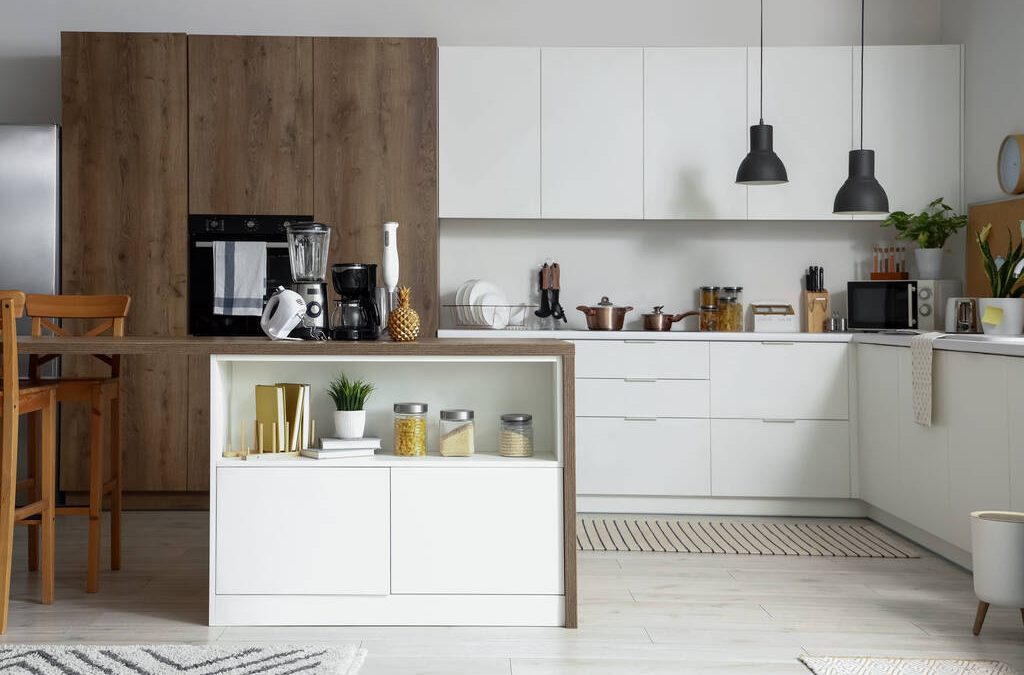
In most Australian homes, the kitchen isn’t just a kitchen. It’s the pit stop, the gossip corner, the snack bar, and the homework desk. With that much action, the finish on your kitchen doors suddenly becomes a much bigger deal than people expect.
Matte vs gloss? It sounds like a design question, but it’s actually about atmosphere and longevity.
And since kitchen doors take a daily beating—fingerprints, cooking steam, the occasional “oops” moment with a grocery bag—the choice matters long after installation day. So let’s break down how each finish behaves in the real world, so you can select the option that remains polished and presentable for years to come.
What a Matte Finish Brings to a Busy Kitchen
Matte doors have been everywhere lately. Homes leaning toward a quiet, warm, or contemporary aesthetic prefer matte doors’ soft, velvety appearance that absorbs light rather than bouncing it around. The effect is calm and unfussy, which makes them ideal for busy interiors. This look has been huge across Europe and has steadily become the go-to option in Australian homes, chasing understated warmth.
Why homeowners love matte finishes
One of the biggest perks is their ability to hide fingerprints. Kids with sticky hands? Pets brushing past cabinet doors? Matte surfaces are much less likely to show smudges, especially in mid-toned colours like mushroom, soft grey, and latte shades.
Modern matte finishes are often made with anti-fingerprint technology. This isn’t just a fancy claim; the surface texture genuinely resists oils and streaks. You can run your hand across it and barely see a mark.
Another strength of matte is its forgiving nature with lighting. In older homes or kitchens with less-than-perfect lighting design, matte doors don’t highlight imperfections. A tiny dent or uneven surface reflection that would be obvious on gloss is barely noticeable here.
Where matte finish can struggle
Matte finishes aren’t fragile, but they can be more prone to scuffing, especially very dark colours. Deep charcoal or black matte doors look stunning but will display dust more easily and sometimes reveal marks from rings or bags brushing against them.
Cleaning matte is easy but gentle. No harsh scrubbing, no abrasive sprays. A soft cloth, mild cleaner, done. People who are used to “really getting in there” when cleaning sometimes need to ease up a bit to keep the finish looking its best.
And visually? Matte is subtle. It won’t bounce light around or brighten a small room on its own. Pairing it with reflective stone, metallic hardware, or a glass splashback often helps create balance.
The Appeal of Gloss in High-Traffic Areas
Gloss finishes are the opposite personality: bright, reflective, and unmistakably polished. When light hits a gloss kitchen, the space expands—literally feels bigger. There’s a reason so many apartment renovations lean this way.
Why gloss still has a strong following
The reflective surface is a huge plus. Even modest lighting gets amplified. In kitchens with small windows, gloss can feel like switching the brightness slider up by a few notches.
Gloss doors are also surprisingly tough. High-quality gloss finishes (especially 2-pack or acrylic options) resist moisture well and hold up to constant cleaning. Wiping down spills feels like cleaning a glass surface—quick and satisfying.
Dust tends to be less noticeable on gloss, too, which can be helpful in homes with pets or lots of open windows.
Where gloss complicates things
All that shine comes at a price. Fingerprints, scratches, and smudges are all visible on glossy kitchen cabinet doors. Light hits it, and whatever is on the surface is immediately spotlighted. Families with young kids sometimes feel like they’re in an endless wipe-down cycle. And given that the average Australian spends 5–6 hours cleaning weekly, every minute saved on cabinet wiping is a valuable gain.
Dark gloss finishes are especially bold, but they behave a bit like a black car: stunning when clean, but every mark shows.
Another thing to consider: gloss reflects everything. If the walls aren’t perfectly straight or the lighting is uneven, you’ll notice it more than you’d like.
How Traffic Levels Influence the Decision
If your kitchen sees action all day—breakfast rush, coffee breaks, snack raids, dinner prep—matte tends to win on practicality. But don’t rule out gloss. Some people genuinely love the polished look and don’t mind keeping a microfibre cloth handy.
But high traffic doesn’t automatically eliminate gloss. Plenty of households love the reflective look and simply accept that a microfibre cloth becomes part of daily life.
For very heavy use (big families, shared houses, or kitchens that double as homework stations), choosing between matte vs gloss laminate or opting for high-quality polyurethane finishes can be a real lifesaver.
Lighting: The Overlooked Deal-Breaker
Lighting dramatically changes how matte vs glossy finishes behave.
- Bright, natural light makes gloss look luminous. Matte can appear smoother and richer.
- Shadow-heavy or dim kitchens may benefit from gloss because it simulates brightness where the room lacks it.
- Warm LED lighting deepens the softness of matte.
- Cool lighting can make gloss feel a bit icy.
If you’re unsure which finish to choose, check how your kitchen looks at 7 AM, noon, and evening. The finish behaves differently throughout the day.
Colour Choice Changes Everything
Matte or gloss kitchen cabinets don’t behave the same way across all colours.
- White gloss: classic, reflective, forgiving.
- Black gloss: statement-making, but it shows everything.
- White matte: hides fingerprints better, may show scuffs on low surfaces.
- Mid-tone matte (mushroom, greige, clay): the sweet spot for low maintenance.
- Dark matte: luxurious, needs the occasional dust wipe.
This is one of the moments where showrooms like Krauss Kitchens can be genuinely helpful—showing the same colour in both finishes under real lighting. Seeing them side by side often makes the decision instant.
Maintenance: What to Expect Long-Term
Matte Longevity
Matte is low-stress. It hides fingerprints, resists visual noise, and doesn’t spotlight tiny dents. It does need gentle cleaning, but overall, it’s a very forgiving finish—ideal for time-poor households.
- Gentle cleaning required
- Hides fingerprints well
- May show scuffs or chalky marks if dark
- Doesn’t show small dents or warping
Gloss Longevity
The principal challenge with gloss over time is not structural failure, but a reduction in its signature high-shine appearance, which requires constant attention to maintain. If a pristine, mirrored look is the goal, be ready for frequent maintenance sessions.
- Frequent wiping to maintain shine
- Shows fingerprints easily
- Resists moisture and spills well
- Reflects scratches and irregularities
In busy kitchens, low-maintenance surfaces often win simply because they save time and reduce stress. Matte tends to be that finish. But cleaning gloss isn’t difficult; it’s just more noticeable when not done.
Choosing the Finish That Fits Your Life
When the decision feels balanced, homeowners often benefit from stepping back and identifying their non-negotiable needs. The perfect finish is the one that minimises friction in your daily routine while maximising aesthetic pleasure.
Here’s a quick way to think of it:
- Choose matte for a soft, modern look with minimal fingerprint drama.
- Choose gloss for brightness, openness, and a sleek, polished finish.
There’s no universal winner—just a finish that matches the way you live.
At Krauss Kitchens, homeowners get to see full-sized panels, feel the textures, and view everything under realistic lighting. That’s usually when the choice becomes obvious. So, if you need help selecting the perfect, enduring finish for your busy Australian kitchen, contact Krauss Kitchens today and schedule a consultation.