
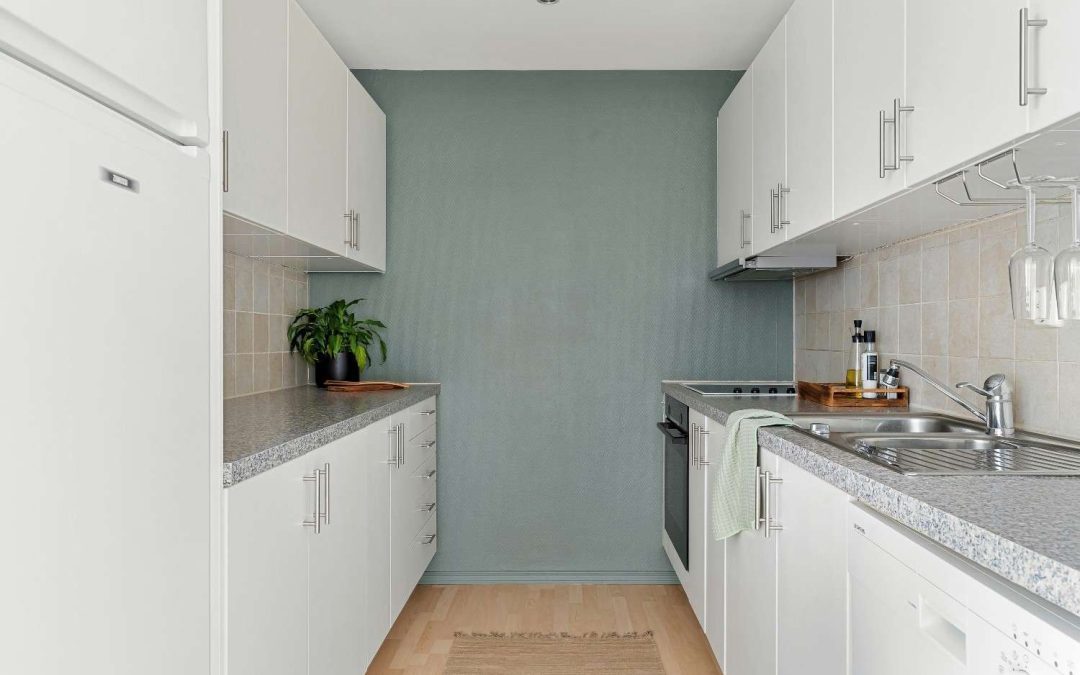
The open-plan living dream—where the kitchen, dining, and lounge all meld into one—is still the gold standard in Australia, but it’s created a “mess” problem. When your kitchen is essentially the centrepiece of your living room, there’s nowhere to hide the stack of crusty lasagna trays or the flour explosion from your Sunday morning cook-up. This is exactly why we’re seeing a surge in homeowners asking for a dirty kitchen or butler’s pantry in their new build or renovation. More than a storage nook, this additional area is a hard-working partner to your beautiful main kitchen.
Is a Butler’s Pantry the Same as a Dirty Kitchen?
To answer that, we have to look at how we use these spaces.
Originally, what is a butler’s pantry? It was a transition space for storing fine china and staging meals. In the early 2000s, it evolved into a walk-in cupboard for the toaster and kettle. But a dirty kitchen—often called a “prep or second kitchen” or “scullery”—is the next level of that evolution.
While a butler’s pantry is primarily for storage and light prep (think making a sandwich or storing the stand mixer), a dirty kitchen design focuses on the heavy lifting. It is a fully functional, secondary cooking zone. It’s where the real grease and heat happen, so your main kitchen stays a peaceful social hub.
Why the Dirty Kitchen is Taking Over
The rise of this trend is incredibly practical. Most of us love to host, but we don’t necessarily want our guests watching us scrub pots or smelling the garlic from a heavy stir-fry while we’re serving drinks.
When you look at a kitchen with a dirty kitchen floor plan, you are essentially looking at a split-functionality home. The main kitchen is for assembly, plating, and socialising. The hidden zone is for the heavy frying, dishwashing, and noisy air-frying. By moving these tasks behind a sliding cavity door or a clever hidden cabinet door that looks like part of your wall of joinery, you keep the primary kitchen layout clean, minimalist, and focused on high-end finishes like fluted cabinetry and statement stone.
This seamless blend of high-end aesthetics and heavy-duty utility isn’t just a win for your daily sanity. It can also be a powerful asset when the time comes that you have to put your home on the market.
Is a Dirty Kitchen a Good Investment for Resale?
It can be a massive selling point. It signals to potential buyers that the home is designed for high-end entertaining and modern family life.
When people walk through an open-plan home, they are often mentally trying to solve the puzzle of where the “real life” happens. Seeing a secondary, high-performance space tucked away gives them instant peace of mind. It’s often the “wow factor” that tips the scales for buyers, as it promises a lifestyle where the home always looks magazine-ready, even in the middle of a dinner party. Investing in this layout isn’t just about your current convenience; it’s also about future-proofing your property’s value.
What Goes Inside a High-Functioning Dirty Kitchen?
If you already have a kitchen with a butler’s pantry and want to upgrade the spec to a scullery, you need to think about the utilities. Again, this isn’t just about extra shelves; you need to build a full secondary work zone.
- Secondary Cooktop: Many homeowners are installing a powerful gas or induction cooktop in the dirty kitchen to keep the smells and oil splashes out of the open-plan area.
- Industrial Ventilation: Because this secondary space involves actual cooking, you need a high-spec rangehood that vents externally.
- The Shopper’s Entrance: It connects the garage directly to this zone. This allows you to bring groceries straight from the car to the dirty kitchen or staging area, unboxing away from the pristine island.
- The Second Dishwasher: This is a game-changer. You clear the table, stack everything in the hidden zone, and close the door. The main kitchen stays spotless while the machine runs in the back.
- A Deep Sink: Forget the small bar sink. A secondary cooking area needs a deep-bowl undermount sink for soaking large roasting pans.
Planning the Flow: Pro Tips from a Contractor
When we’re looking at a kitchen floor plan, the flow is everything. The two spaces shouldn’t feel like separate islands; they should work in tandem.
One tip we always give: don’t scrimp on the materials in the hidden zone just because guests won’t see it. While you might not need the expensive marble back there, you do need highly durable surfaces that can handle the heat and scrubbing. Lighting is also key. Because these rooms often lack natural windows, consider high-output LED task lighting to ensure the space feels like a professional workspace rather than a dark cupboard.
The Verdict on Dirty Kitchen: Luxury or Necessity?
While it might sound like a luxury, a dirty kitchen or scullery is fast becoming a necessity for a busy Australian household that loves to host. It solves the open-plan dilemma by giving you a place to be a “real” cook while maintaining the “dream” aesthetic of a clean home.
At Krauss Kitchens, we specialise in making these complex layouts feel simple and seamless. Our goal is to deliver your dream kitchen, expertly crafted. We love rolling up our sleeves to figure out how a secondary kitchen can fit into your specific lifestyle without sacrificing the soul of your home. Contact us today. Let’s start talking about what you envision.